The Malaga Castle
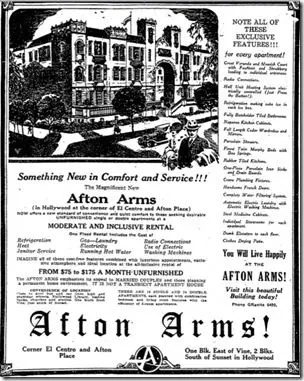
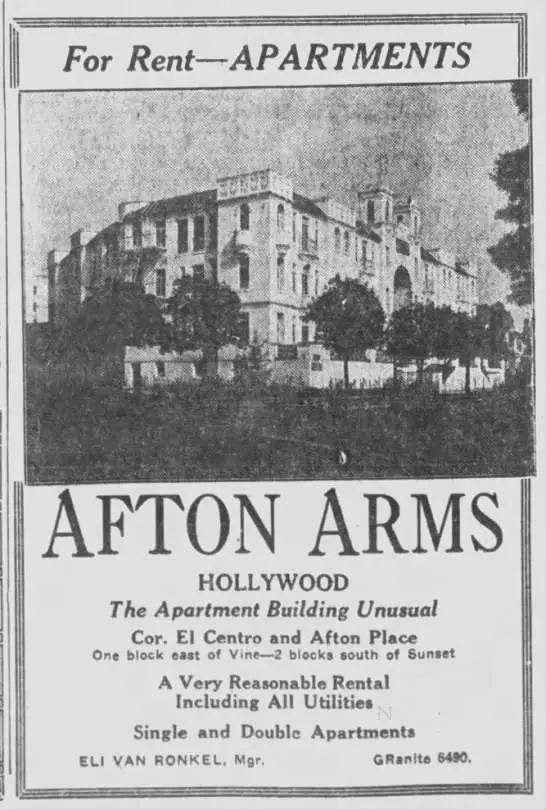
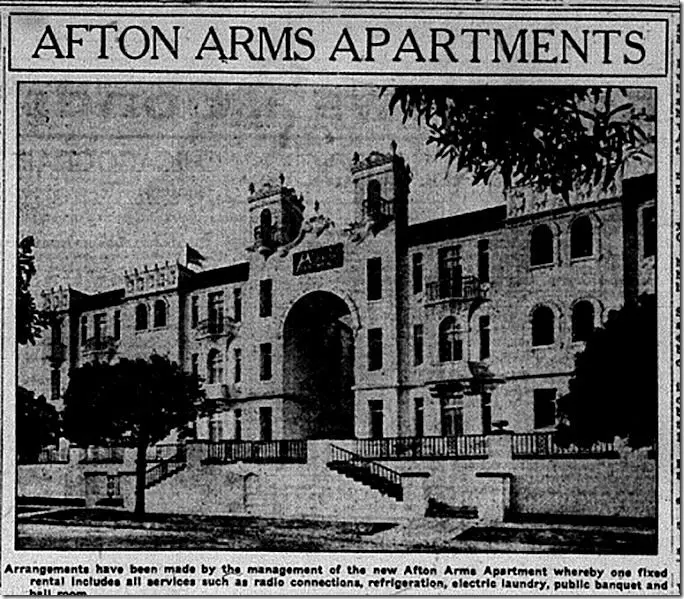
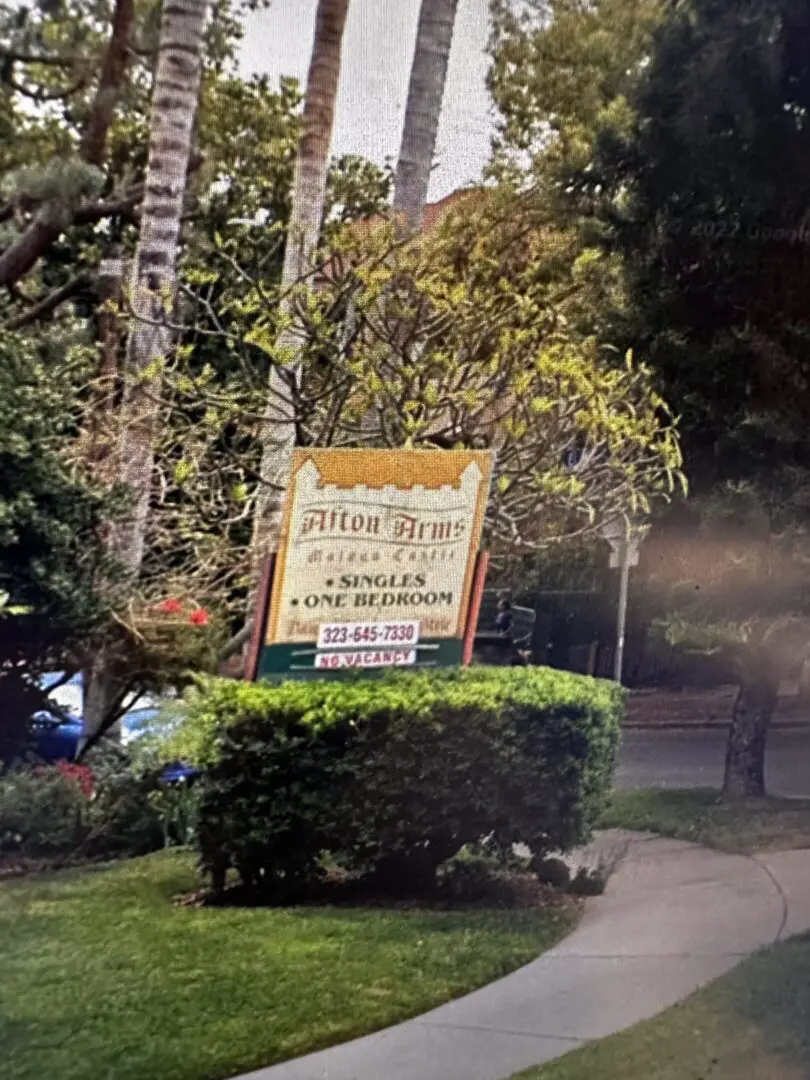
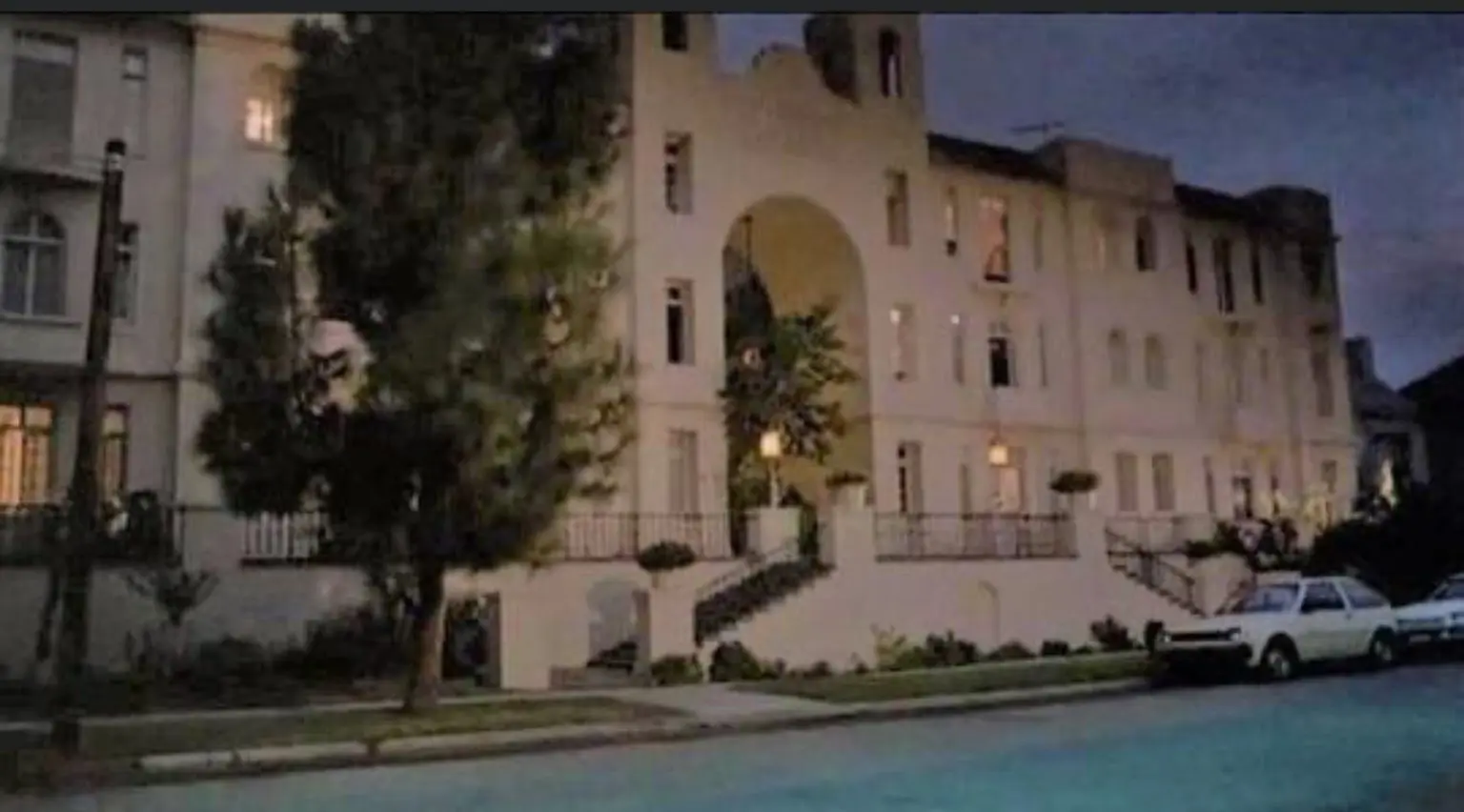
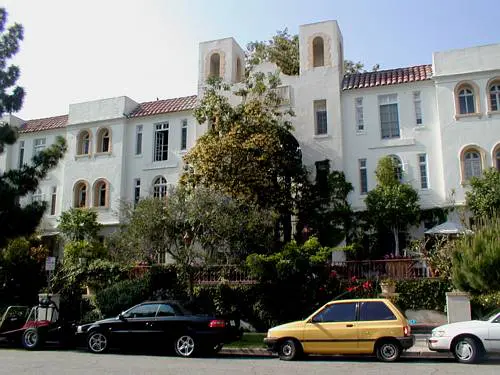
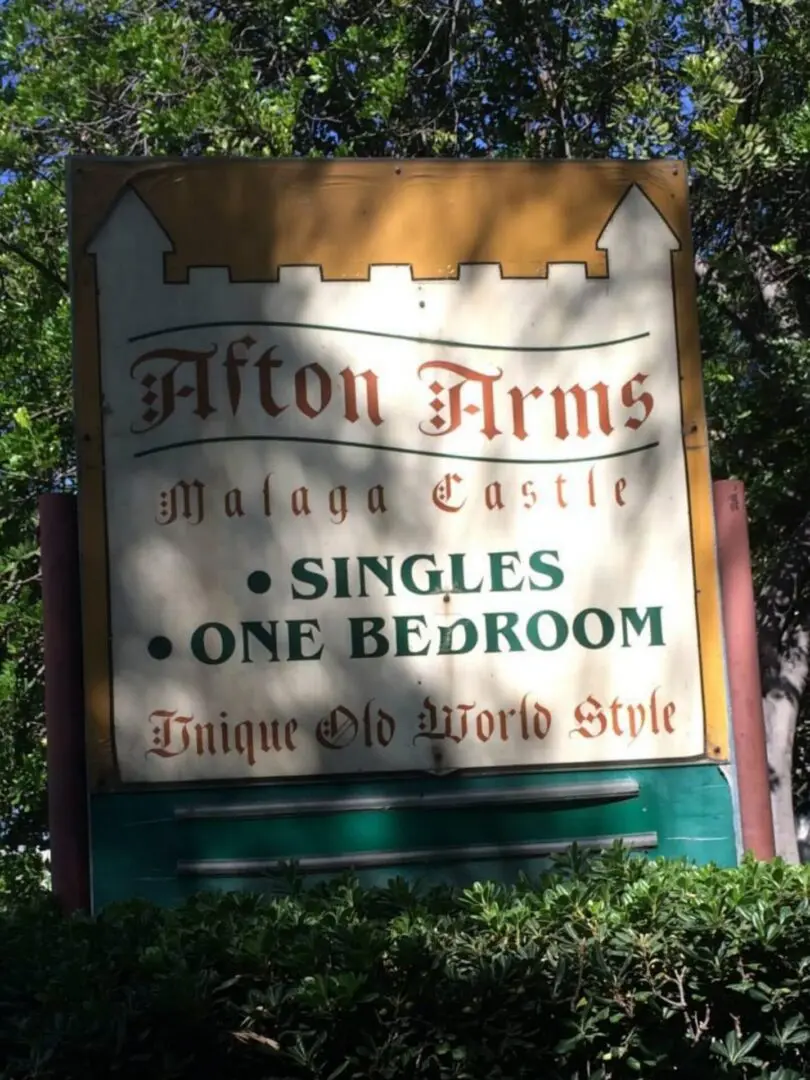
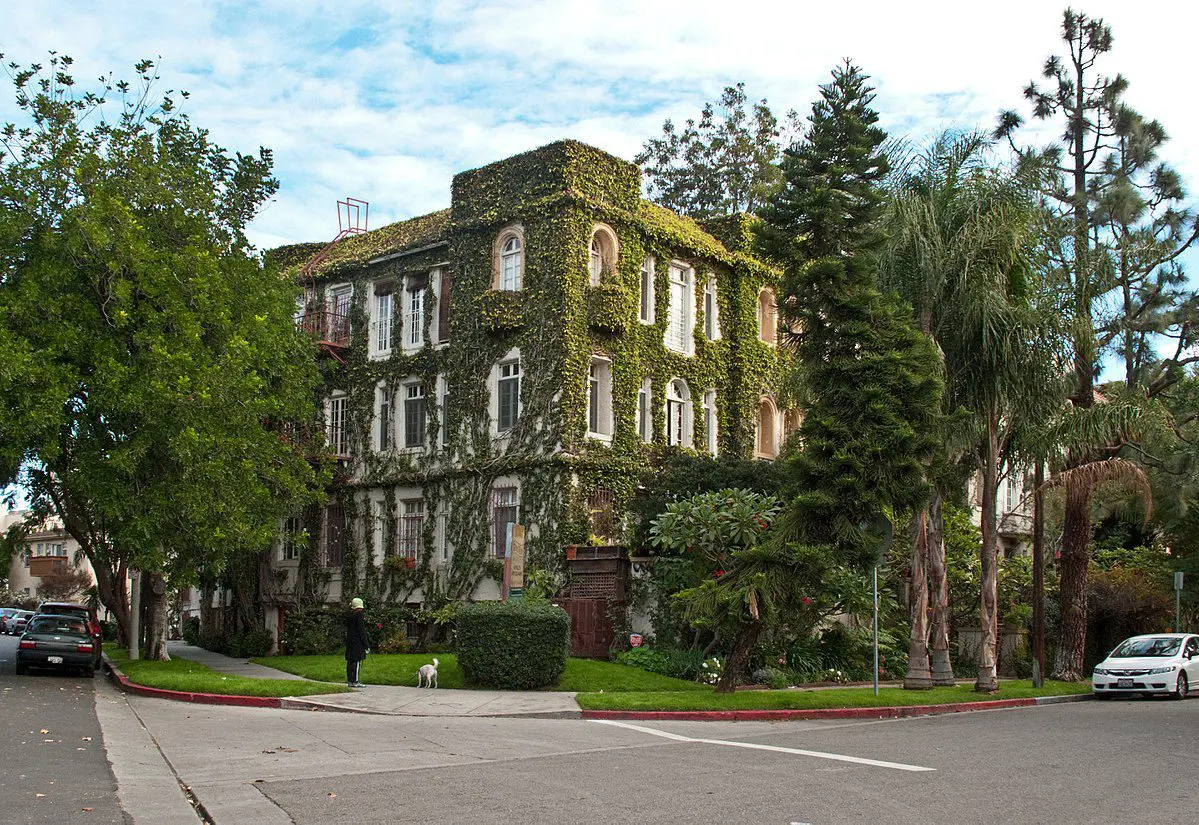
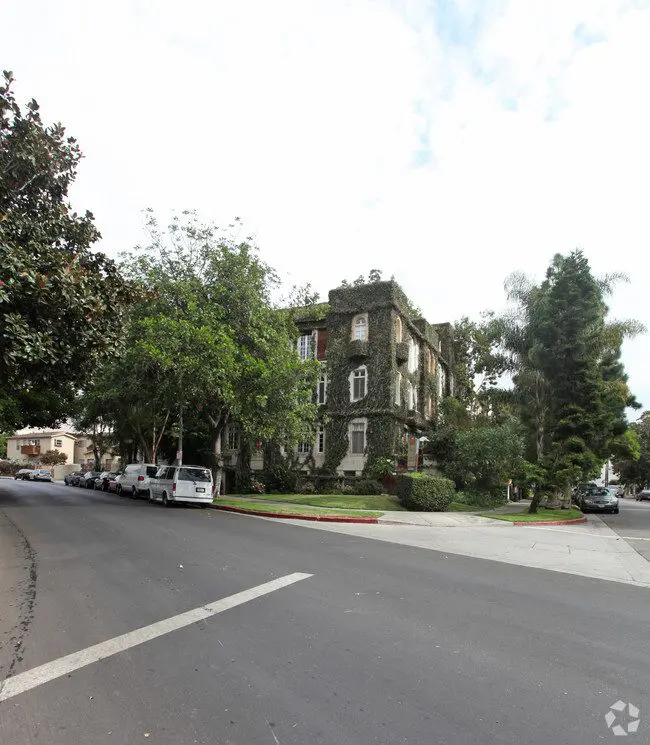
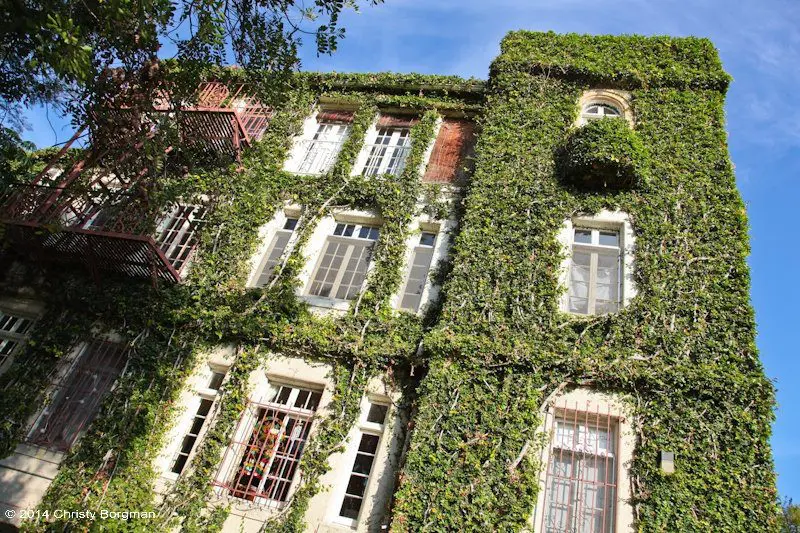
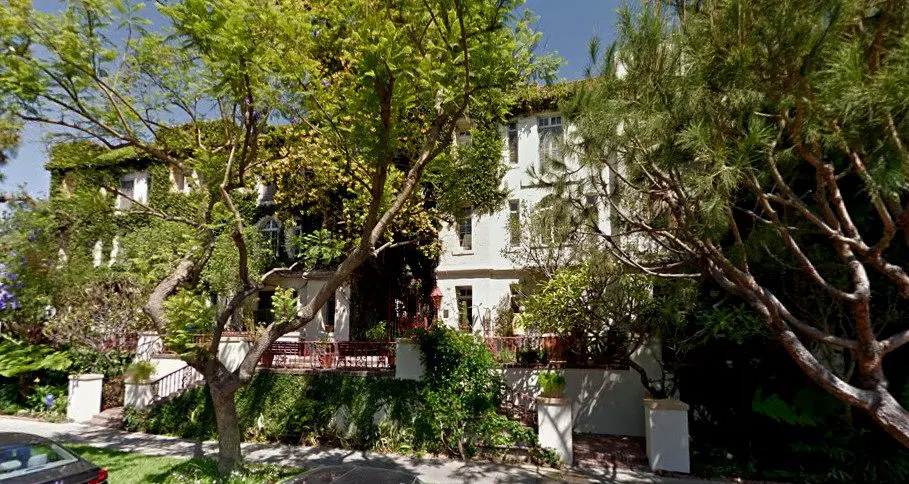
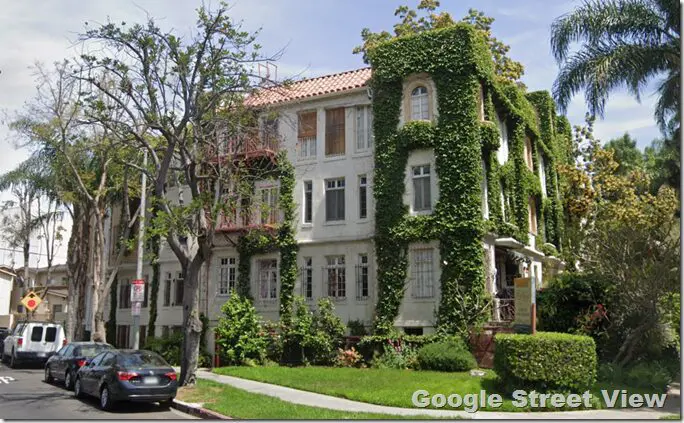
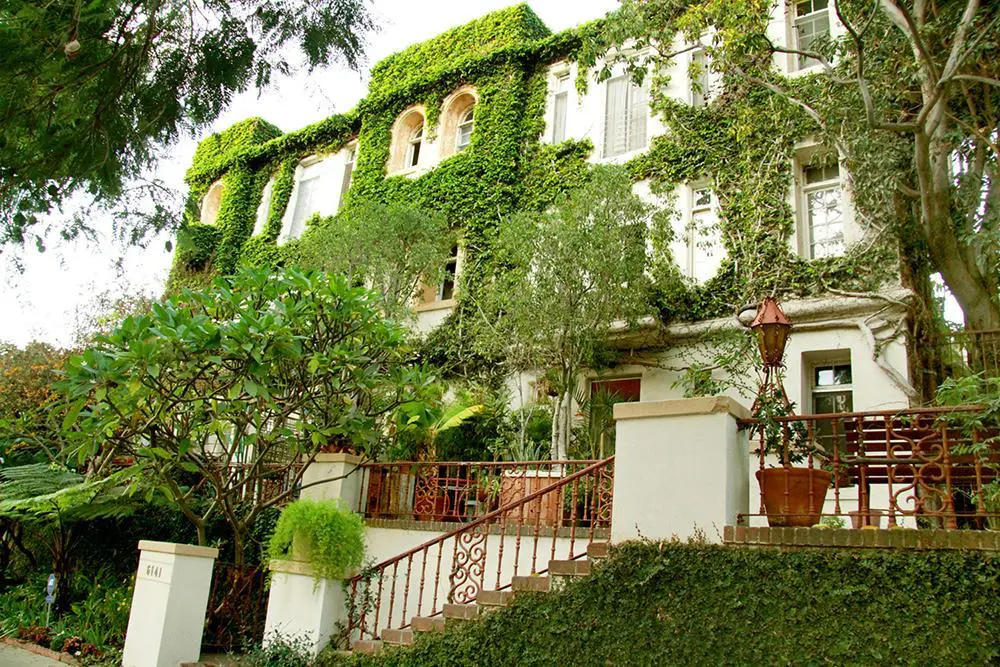
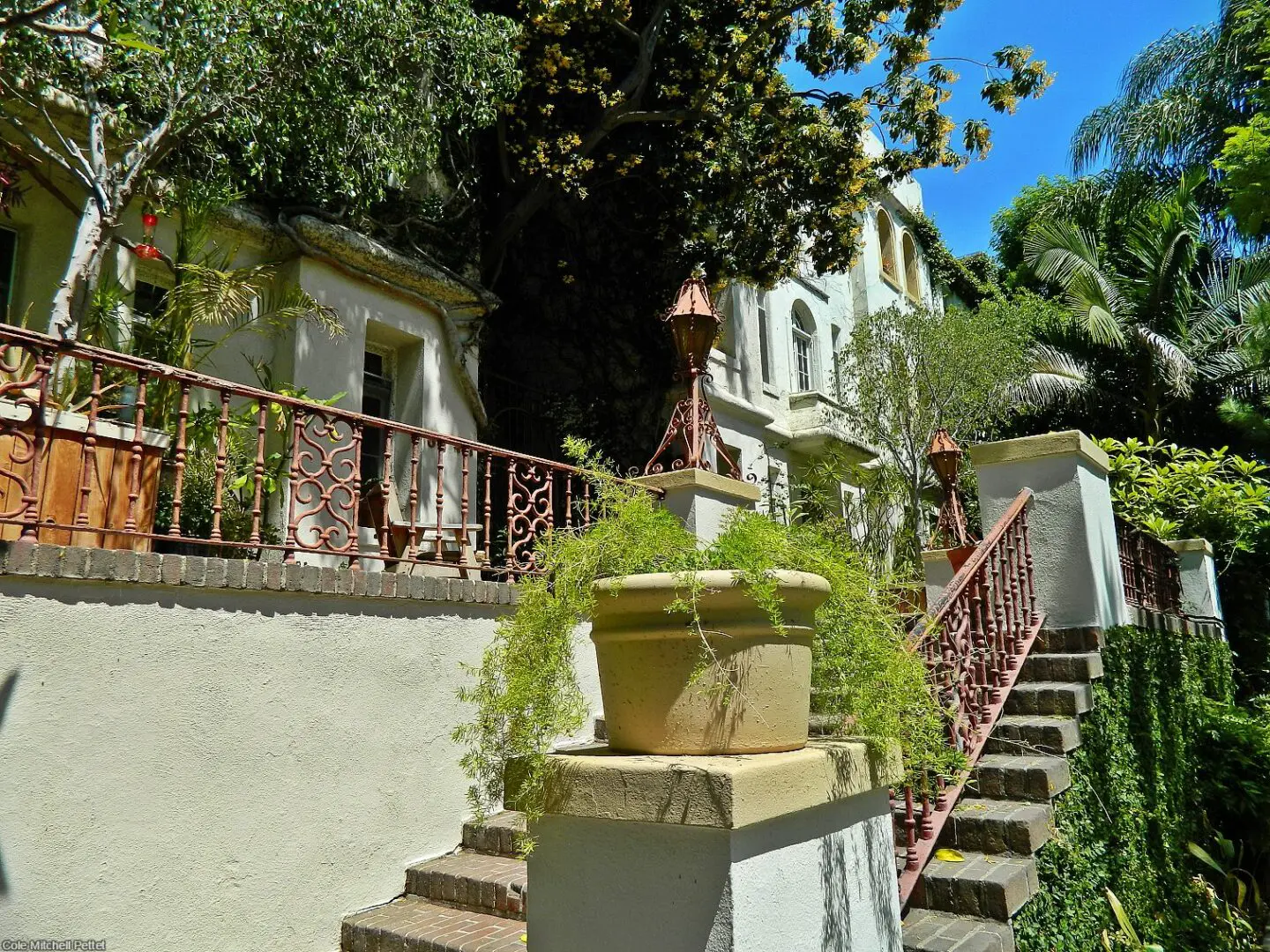
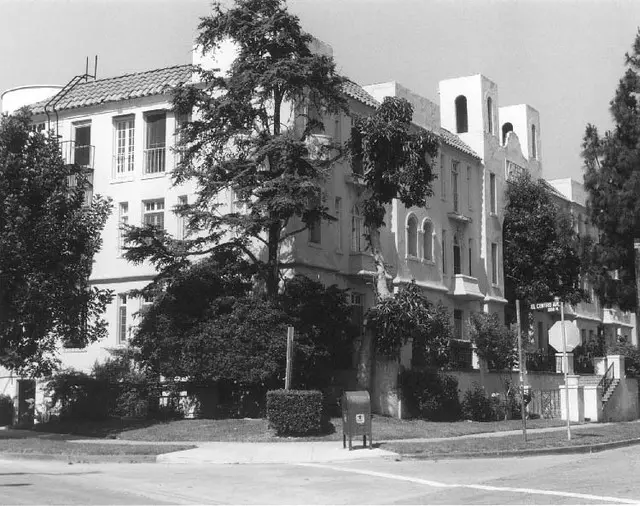
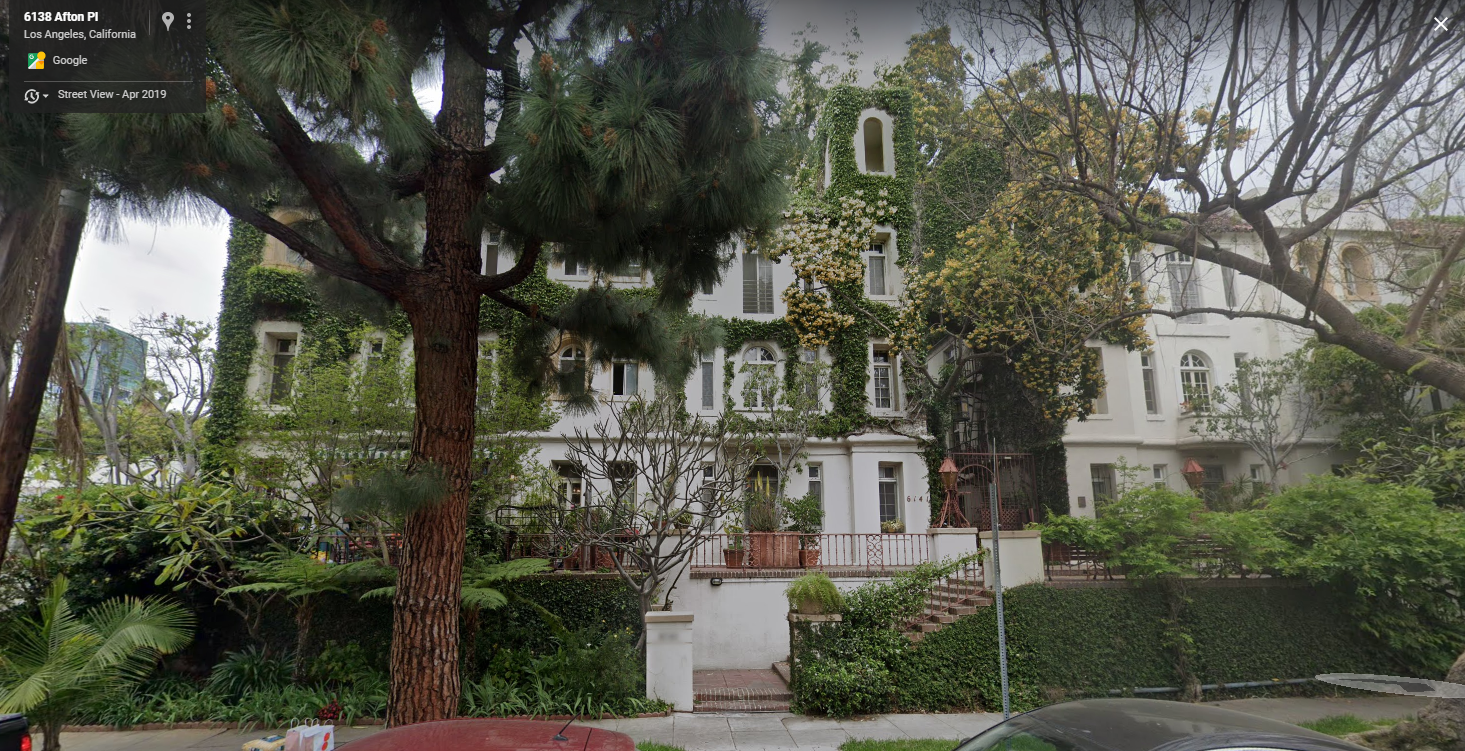
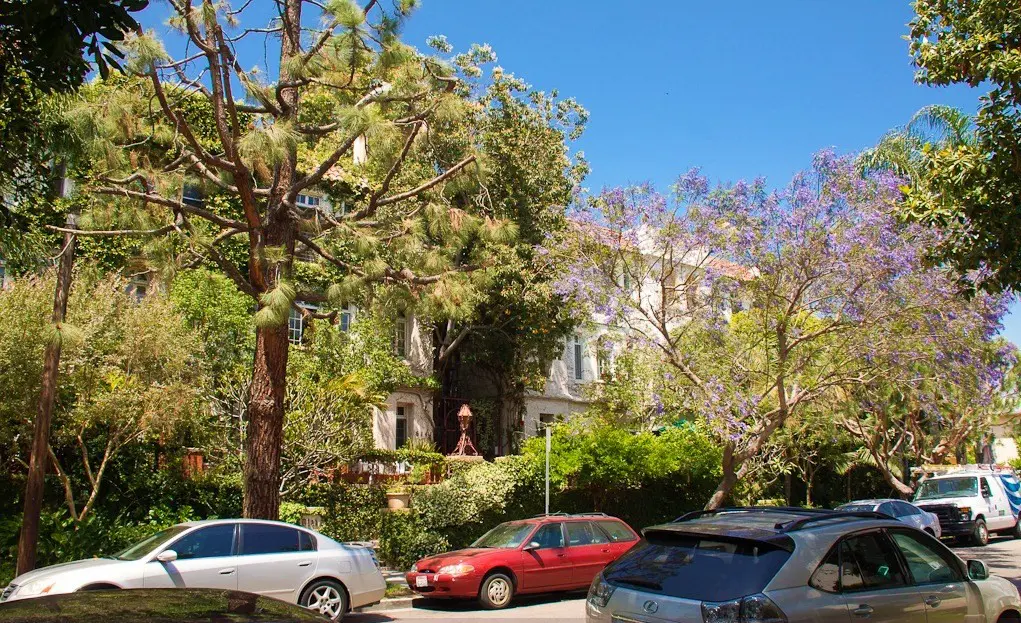
Afton Arms Apartments—often called Malaga Castle or the Happy Malaga Castle—stands among Hollywood’s most celebrated historic residences, prized for its distinctive architecture and a century’s worth of film‐industry legends.
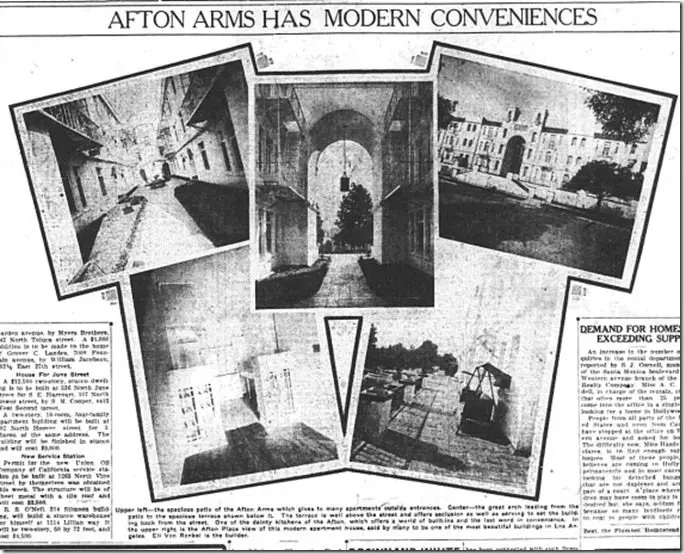
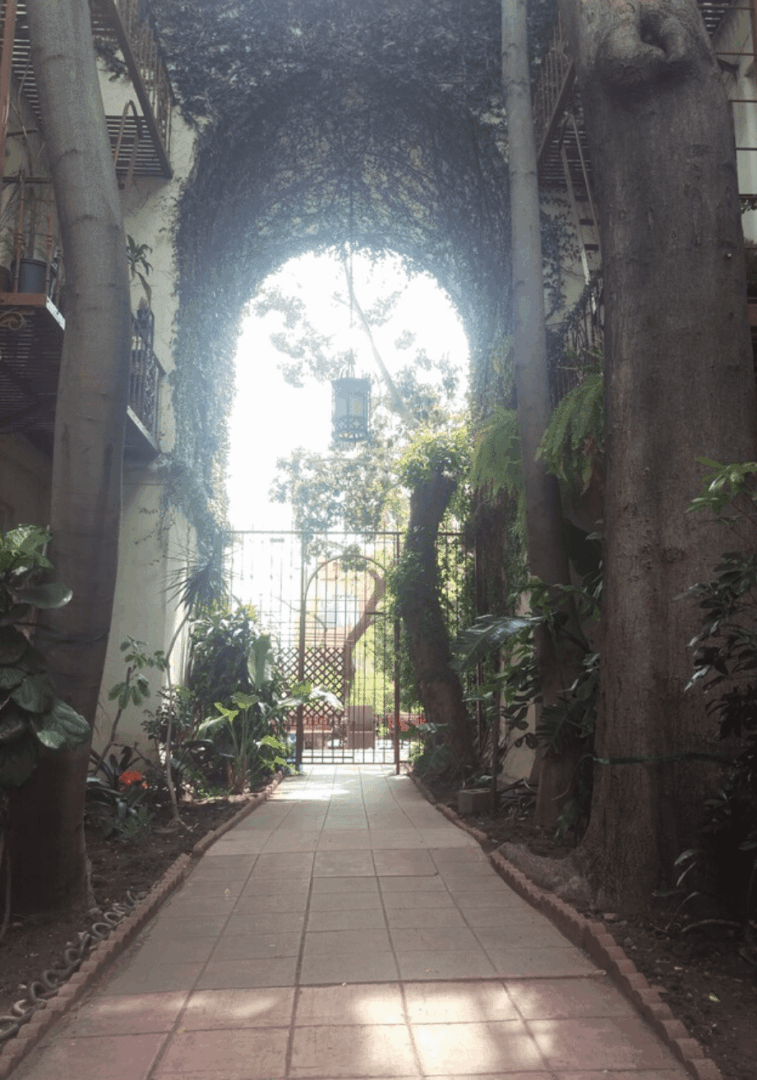
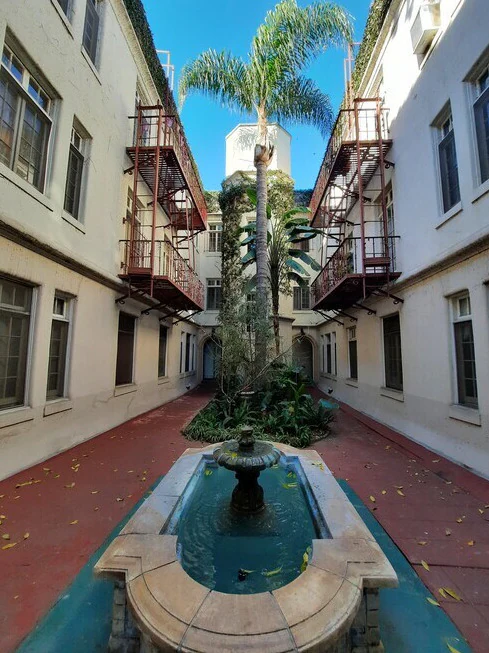
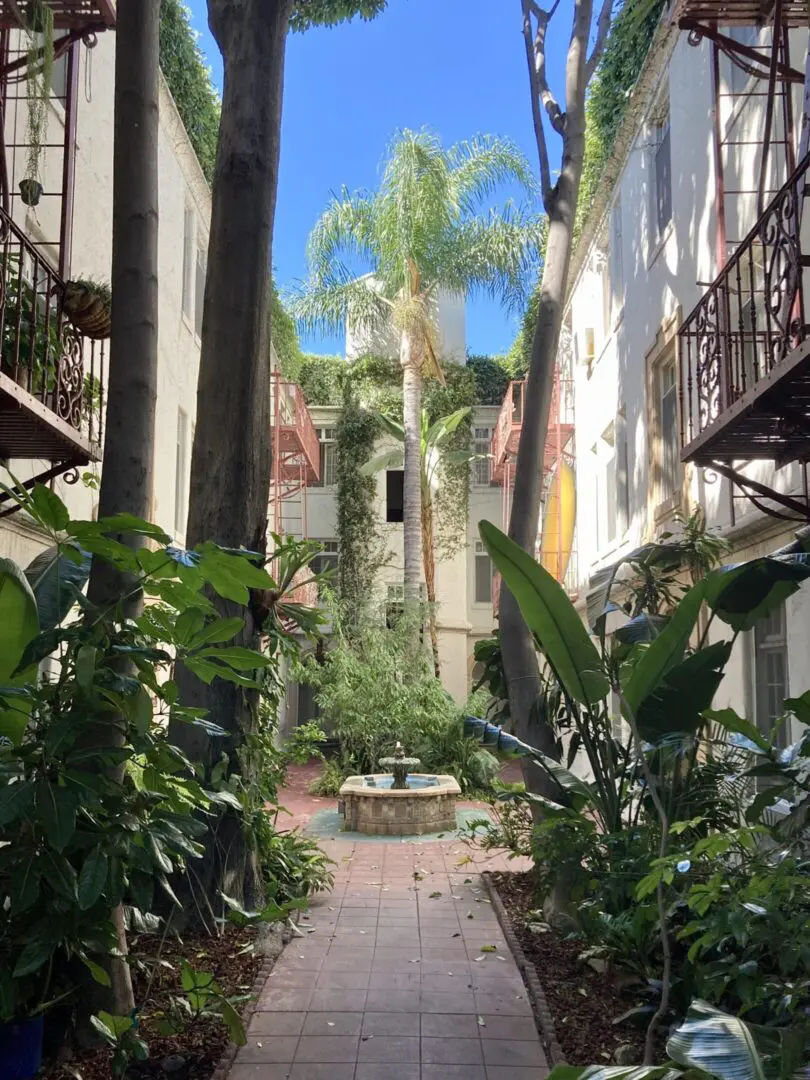
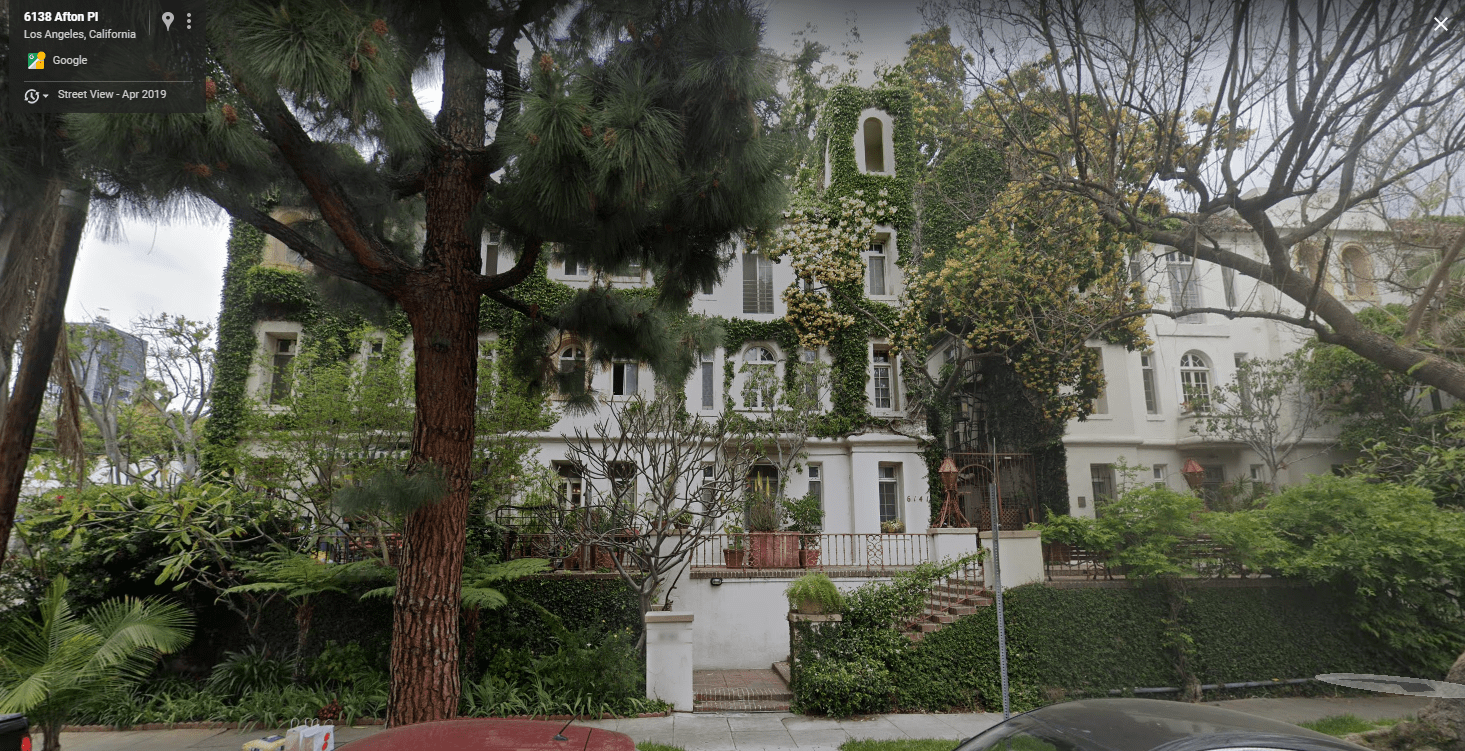
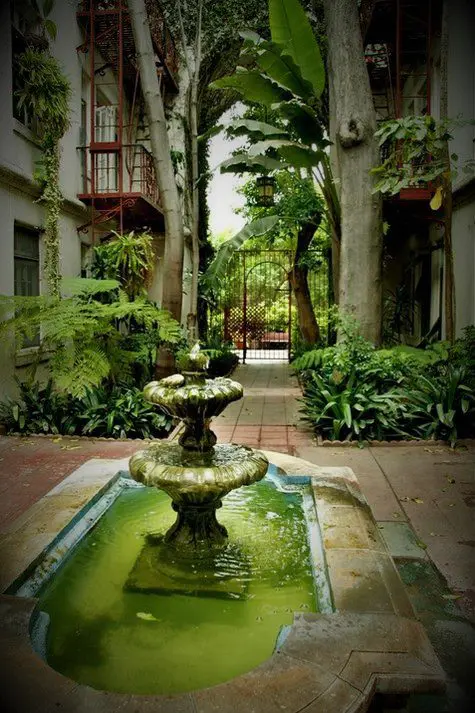
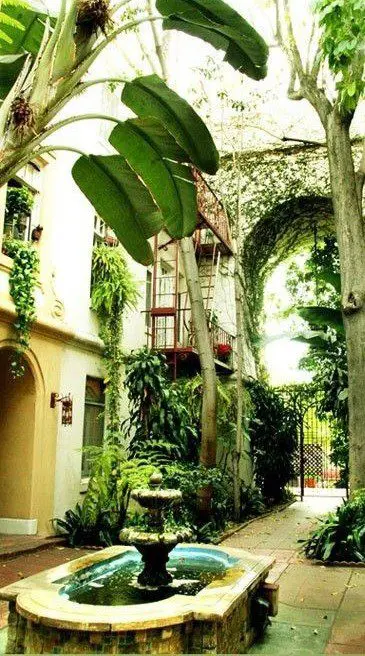
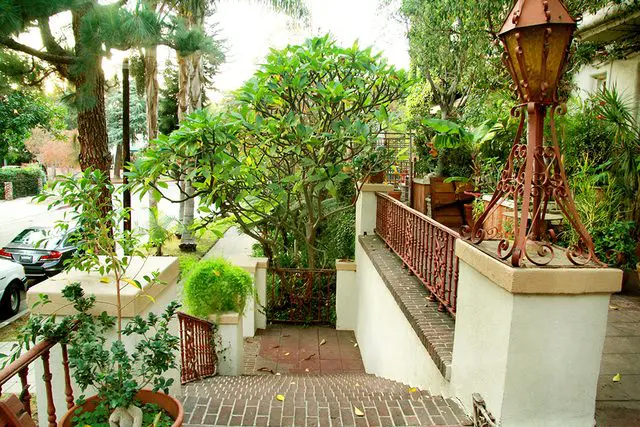
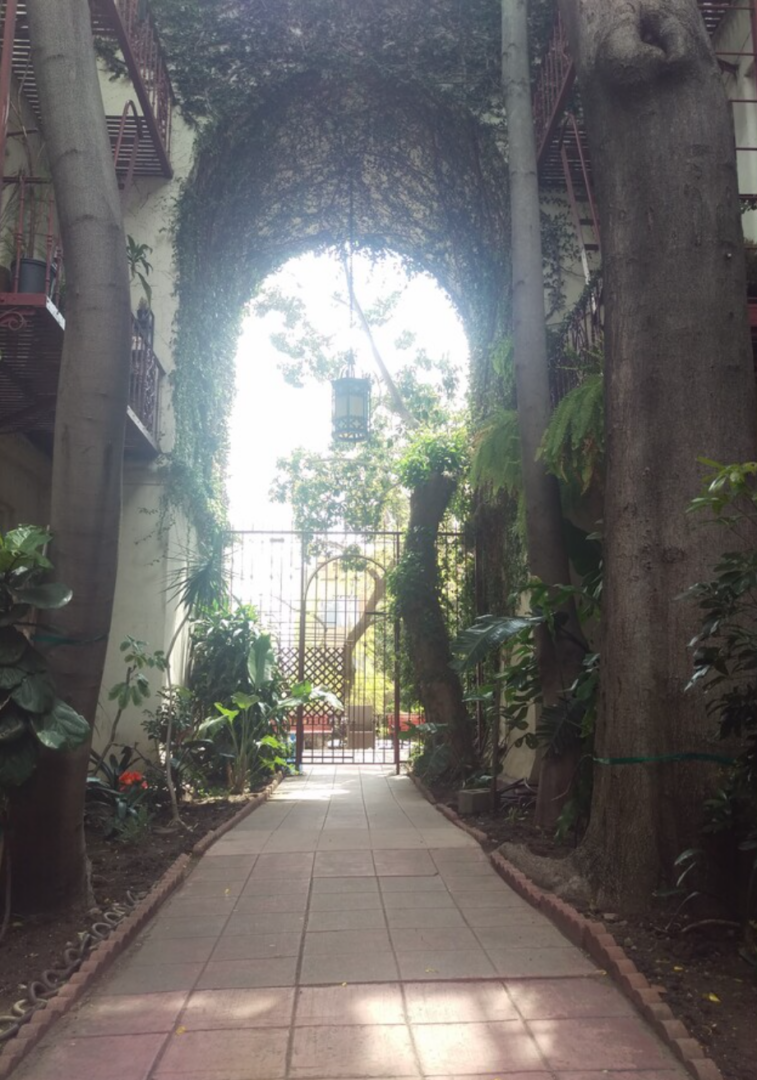
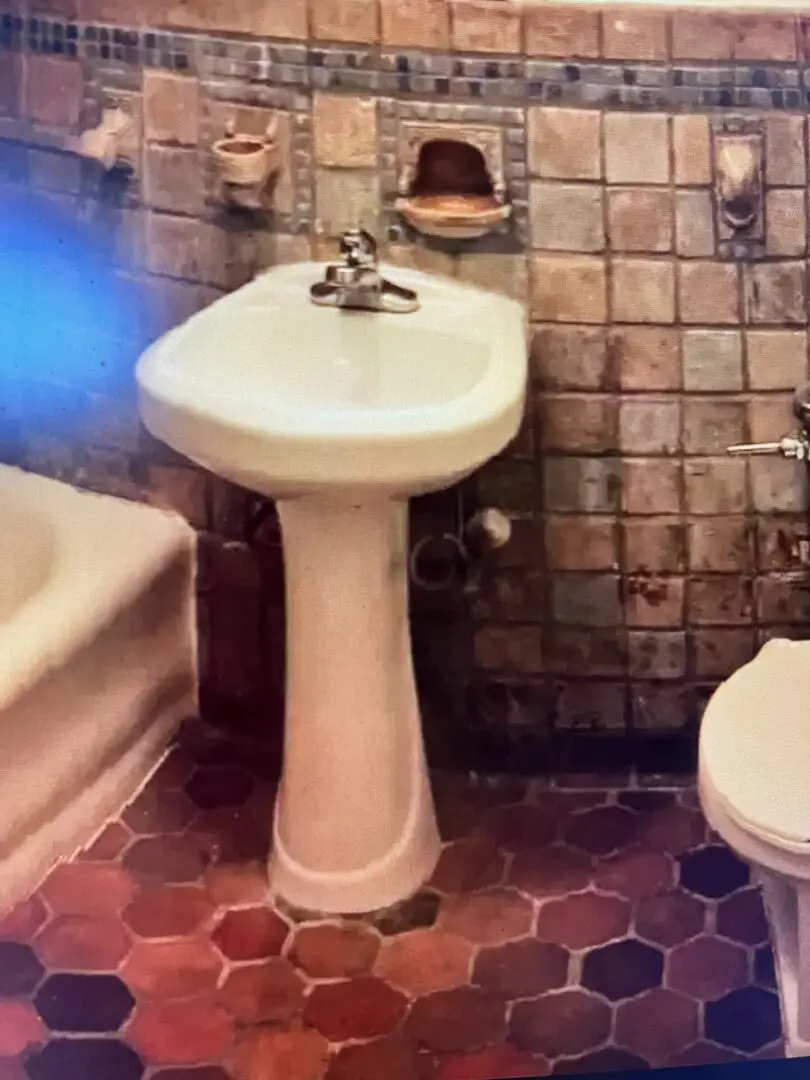
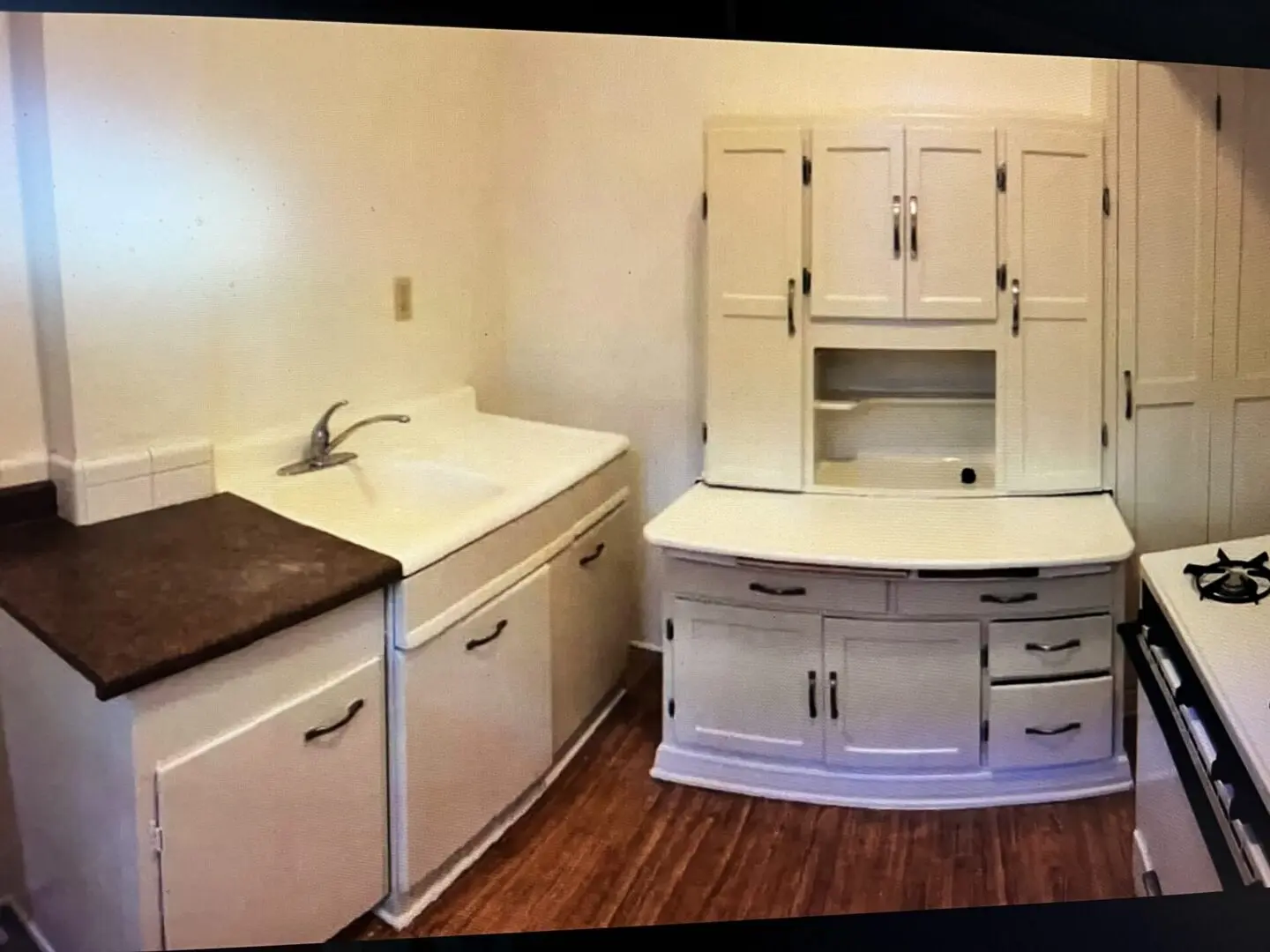
Constructed in 1924–25 and opened in May 1925, the Afton Arms rose during Hollywood’s boom as the motion‐picture business matured. Leland Bryant, a prominent architect of the era, fashioned it in a Mediterranean/Mission Revival “castle” style, its turrets and arches lending a romantic flair that set it apart from other early Hollywood flats. Originally comprising 41 single and double apartments, the building boasted luxuries rare for its day: Batchelder‐tiled bathrooms, built‐in wardrobes, refrigeration, plus communal spaces—a ballroom, banquet hall, veranda, and central courtyard—catering to actors, studio staff, and industry hopefuls near the Sunset Boulevard lots.
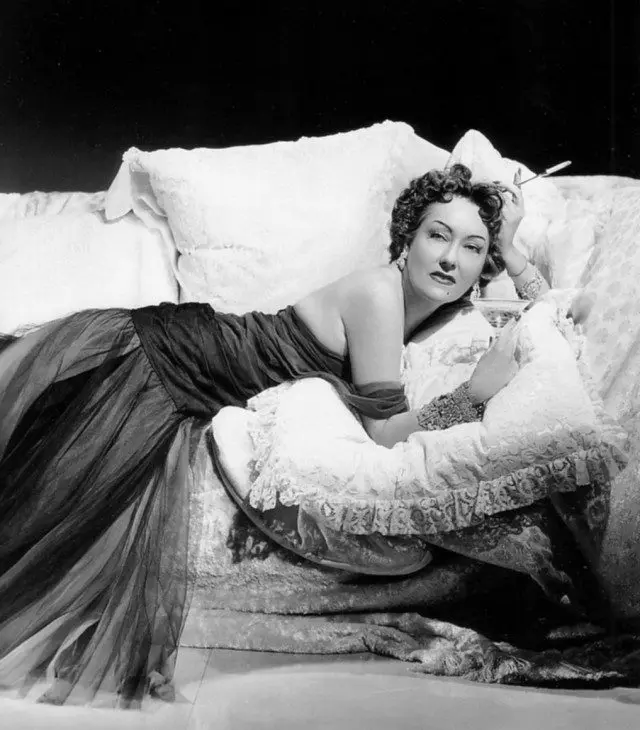
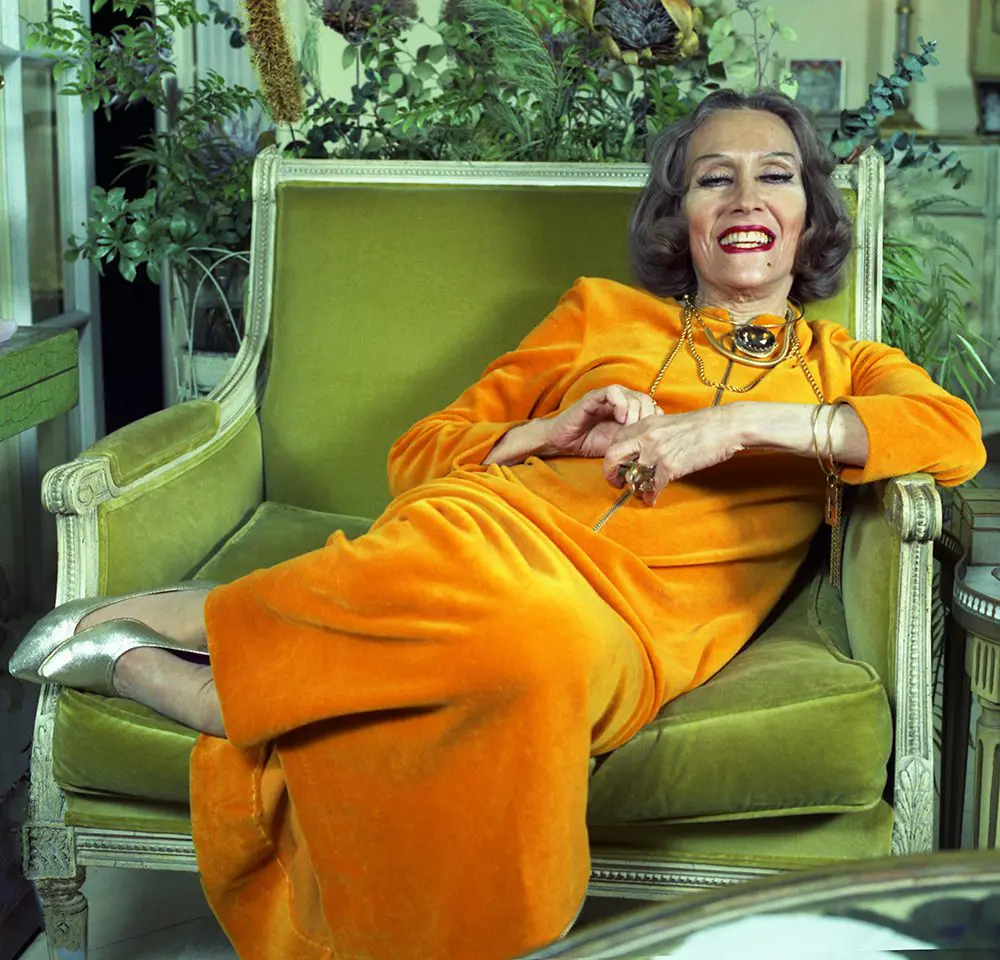
Throughout the 1920s and ’30s, the Afton Arms was a coveted address, its location and panache drawing film figures seeking convenience and style. A persistent, if unconfirmed, tale holds that Joseph Kennedy and silent‐screen star Gloria Swanson converted two apartments into one suite—later dubbed the “Swanson Suite”—for discreet meetings.
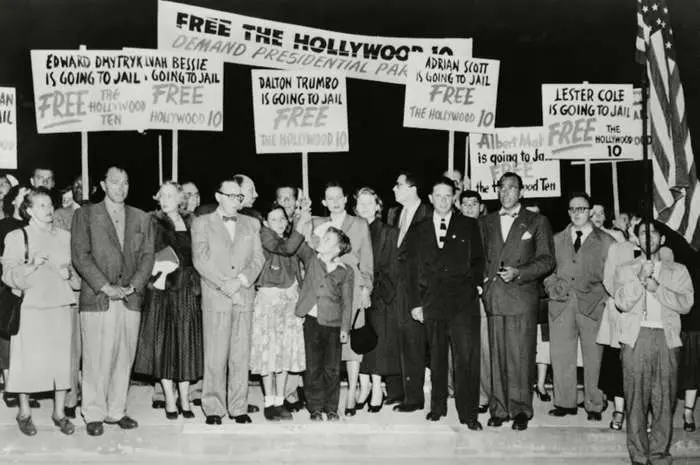
By the late 1940s, the grand ballroom served as a gathering spot for the Hollywood Ten, writers and directors resisting HUAC inquiries who would soon be blacklisted—cementing the building’s place in the city’s political drama. In the 1960s and ’70s, that same space became the production office for Art Kunkin’s Los Angeles Free Press, transforming Malaga Castle into a nexus for underground journalism and countercultural activism.
The “Happy Malaga Castle” Years
In 1972, local personality “General” Hershey Bar assumed management and rechristened the complex the Happy Malaga Castle, a nod to Malaga wine. Under his watch, the building earned notoriety for its raucous all‐night gatherings, rampant drug use, and frequent police interventions, becoming synonymous with Hollywood’s seedier underbelly.
In the early eighties, there were explosives stored in the basement that triggered an FBI raid, adding yet another chapter to the building’s mythic reputation.
In 1984, Cherie and I moved into the Swanson Suite at the Malaga. It was our sanctuary, a place we briefly shared with Shaun Fennell, where we built a life amid its fading grandeur. The full story lives in my forthcoming book, but I’ll say this: I never shook my love for that building. Even now, I sometimes imagine winning the lottery and buying the whole place, just to reclaim that apartment.
By the late ’80s, new owners began cleaning up the Malaga’s reputation and restoring its original architectural charm. Then, on November 3, 1989, the City of Los Angeles declared it a Historic-Cultural Monument No. 463—a acknowledging its architectural distinction and cultural legacy.
Today
Now echoing with whispers of Old Hollywood, the Afton Arms remains a cherished landmark—its castle‐like silhouette a testament to Los Angeles’s glamour, bohemia, and the ever-twisting tapestry of its history.